
Why Phantom Still Feels Like the Best NFT Wallet Experience on Solana
Whoa, seriously, that surprised me.
I dove into NFT wallets on Solana last week. Phantom felt slick and fast, and the UI made sense quickly. My instinct said this could replace my older extensions for most tasks. Initially I thought a browser extension wallet would be clunky, but after testing transfers, NFT mints, and swap flows it became clear that performance and developer support on Solana lead to smoother experiences than I’d expected.
Here’s the thing.
NFTs are not just images; they’re keys to communities and experiences. Because of that, the wallet you pick matters for convenience and security. Phantom’s in-extension experience reduces friction for collectors and devs alike. On one hand it abstracts away seed phrase juggling with a nice UI, though actually using it taught me to be more deliberate about permissions and to audit sites before signing anything.
Hmm… somethin’ feels off.
I installed the phantom app on Chrome and Brave to compare behavior. Wallet state synced fast, and NFT thumbnails loaded without fuss most of the time. But sometimes metadata wouldn’t load, which is annoying when you’re trying to verify a mint live. One practical fix was clearing site data and toggling the extension, but that feels like a poor first-impression for new users who expect instant reliability.
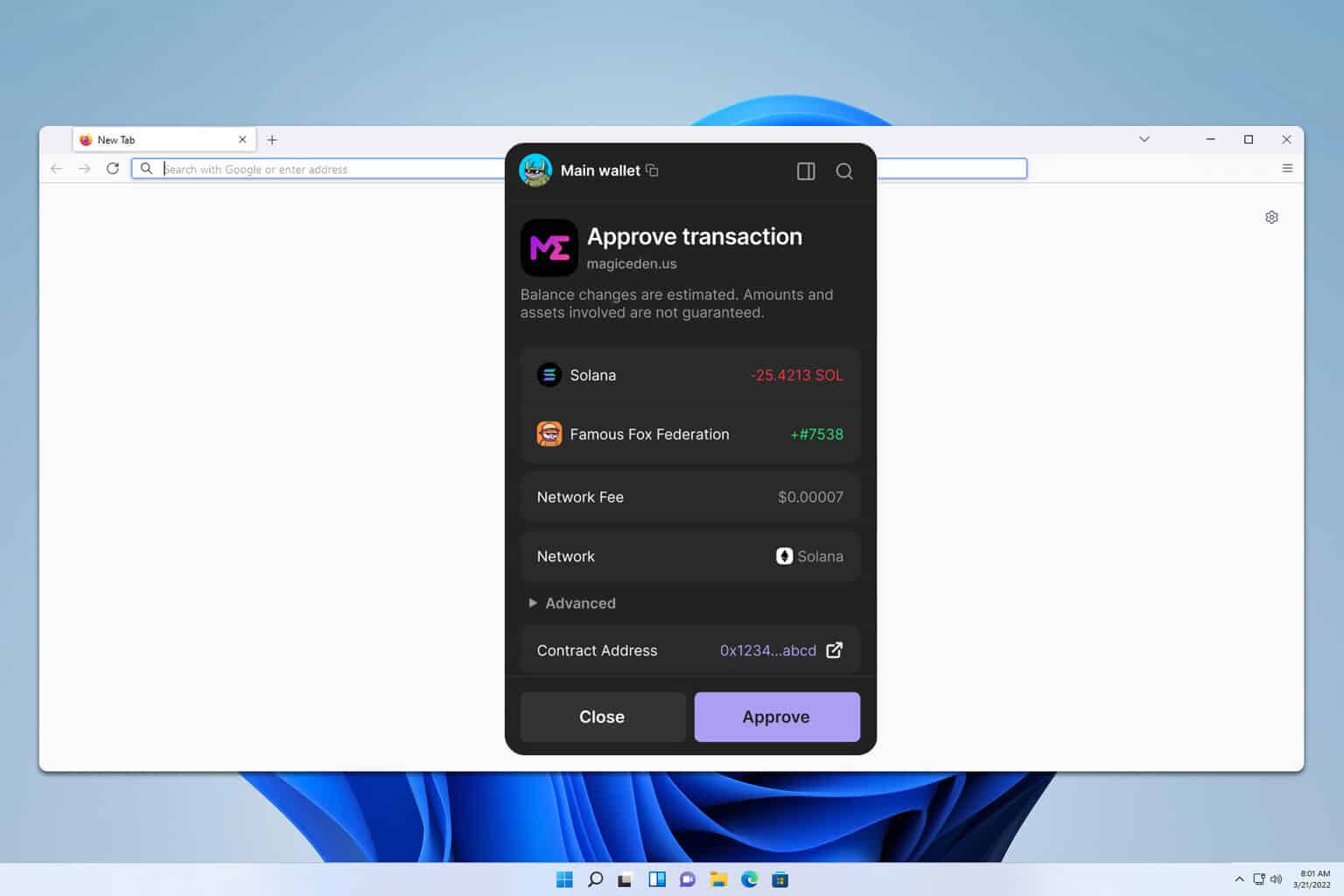
How to get the extension safely
Really, this is worth checking.
If you want to try it, use the official extension and verify the source. I typically go to the extension store, though sometimes a trusted developer link is easier. For my walkthrough I used the connector and checked accounts, token lists, and NFT tabs. To download the extension safely, I recommend the official site — here’s a straightforward link to the phantom wallet that I used during testing: phantom wallet.
Okay, quick tip.
Back up your seed phrase offline and never paste it into a webpage. Enable hardware wallet support for large holdings when possible. Review the permissions a dapp requests, and decline surprise approvals instead of accepting blindly. If you’re minting NFTs during a drop, prepare gas/stake balances in advance and use a burner account for risky interactions so your main wallet isn’t exposed to accidental approvals or malicious contracts.
I’ll be honest.
This part bugs me: some UX rough edges still exist around metadata and permissions. On the other hand, speed and ecosystem support make Phantom a top choice today. I’m biased, but after swaps, bridges, and collecting NFTs, it became my go-to. So try it, test with small values, keep seed phrases offline, and stay skeptical — the ecosystem moves fast and mistakes can be costly, though the upside for creators and collectors is real.
FAQ
Is Phantom good for NFTs?
Yes. For collectors it’s convenient: thumbnails, portfolio views, and direct minting flows simplify the experience, though occasional metadata hiccups mean you should verify projects before approving transactions.
How do I install the Phantom extension securely?
Go to your browser’s official extension store or use a trusted link from a reputable developer, confirm publisher details, and never accept unexpected permission prompts without checking the requesting site.
Leave a Reply